A Patient'S Point Of View: Genuine Stories Of Lens Swap Surgical Procedure Experiences


Content Written By-Ball High
For many individuals facing vision challenges, lens replacement surgery offers a beacon of hope, providing a pathway to clearer sight and improved quality of life. Annually, countless patients choose this procedure not only as a solution for cataracts but also as a proactive measure for vision correction through options like refractive lens exchange. As technology advances, the possibilities also grow the possibilities offered by custom lens replacement, which caters to a range of visual impairments and individual preferences.
In this article, we examine the experiences of patients who have gone through lens replacement surgery, shedding light on their journeys from initial consultations to recovery milestones. We will discuss the benefits, risks, and real-life results of this transformative procedure. Whether you're considering lens replacement for high prescriptions or wondering about candidacy requirements, you'll find valuable insights and personal stories that assist your decision-making process. Join us as we explore everything you need to know about this effective vision correction option.
Comprehending Refractive Lens Exchange
Lens replacement surgery, also called refractive lens exchange, is a surgery intended to correct vision by replacing the eye's biological lens with an artificial one. This operation is especially helpful for individuals with visual impairments that can't be satisfactorily resolved by traditional methods such as glasses or contacts. Patients often see this option as a way to reach clear vision and possibly minimize their reliance on corrective eyewear.
The surgery consists of get rid of the eye's natural lens and inserting a high-quality intraocular lens, which can feature accommodating lenses or lenses with extended focus. This tailoring allows the doctor to customize the lens type to each patient's individual vision needs. One of the major pros of this procedure is its ability to address various vision conditions, including age-related vision loss, severe nearsightedness, and vision distortion.
Post-operative recovery from the surgery varies depending on personal situations, but many patients report enhanced vision soon following the surgery. Understanding the potential benefits, disadvantages, and the post-operative timeline is crucial for anyone considering this operation. Patients are recommended to consult their eligibility with a qualified ophthalmologist, who can provide insights into the process throughout the process and help determine if they are qualified candidates for lens exchange.
Patient Review and Consultation Procedure
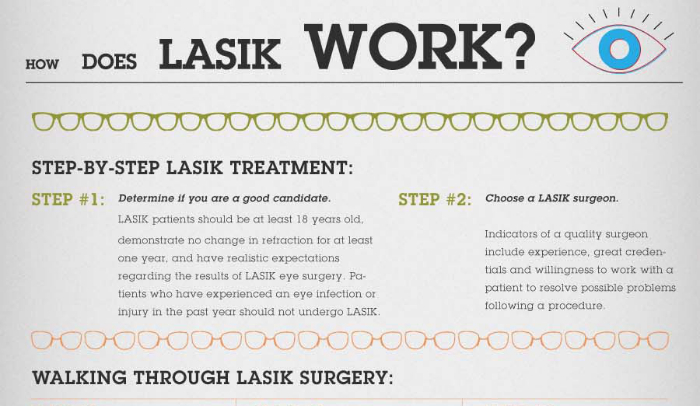
Before undergoing lens replacement surgery, candidates must go through a thorough evaluation process. This primary stage involves a comprehensive eye examination to measure the patient's eyesight, overall eye health, and particular refractive issues. The surgeon will consider the patient's medical history, any existing eye conditions, and the extent of their refractive error. This evaluation aids determine if the patient is an eligible candidate for lens replacement, such as refractive lens exchange or custom lens replacement.
In the course of the consultation process, patients can anticipate talking about their vision goals and expectations with their surgeon. The surgeon will outline the different types of lenses available, including premium options like flexible lens implants or extended depth of focus lenses. This is also an great time for patients to inquire about the procedure, such as what to expect during surgery and the potential benefits and risks linked to lens replacement surgery. Understanding these factors is crucial for patients to make informed decisions about their vision correction options.
After the consultation, if patients are deemed appropriate candidates for lens replacement surgery, they will receive comprehensive information on the preparation for the procedure and the recovery timeline. This may include guidelines on pre-operative care, any necessary lifestyle adjustments, and the importance of arranging follow-up visits to monitor healing. Addressing these aspects guarantees that patients are fully ready and assured moving forward with their preferred vision correction path.
Recovery and Expected Results
The recovery process after lens replacement surgery varies from patient to patient, but most individuals can expect a relatively quick healing time. Initially, it is common to experience some blurriness or changes in vision as the eyes adjust to the new lenses. This adjustment period typically lasts for a few days to a couple of weeks. During https://www.yelp.com/biz/clearsight-lasik-oklahoma-city-3 , patients are usually advised to avoid heavy activities and to follow their surgeon's post-operative care instructions closely to ensure best possible healing.
Many individuals report noticeable gains in their sight shortly after the procedure, with some achieving their desired visual acuity within the first few weeks. By the end of the healing period, which can take several weeks to fully stabilize, most patients experience enhanced clear vision and a reduced dependence on glasses or contact lenses. It’s crucial to have reasonable hopes, as some patients may still require mild prescription eyewear for specific tasks such as reading or driving at night, especially if they undergo surgery for presbyopia.
Long-term outcomes of lens replacement surgery are generally favorable, with many patients enjoying improved vision for a long time. The effectiveness of the surgery also relies on personal factors such as age, pre-existing eye conditions, and the specific type of lens used. Routine follow-up appointments with the surgeon will help keep track of any changes in sight and tackle potential complications early on, ensuring a smooth shift into the benefits of having improved sight.
Expenses and Financing Options
The price of lens replacement surgery can change considerably based on several factors, including the type of lens chosen, the surgeon's experience, and the technologies employed during the surgery. On average, patients can anticipate to pay between three thousand to five thousand dollars per eye. Premium lens options, such as adaptive or extended depth of focus lenses, are usually more expensive but present additional gains in vision correction. Comprehending these costs is important for making an informed determination about the operation.
For those concerned about the preliminary outlay, financing options are available to help navigate the prices. Many medical facilities offer financing plans or loan options that allow patients to pay for their lens surgery in installments. Additionally, some surgeons' offices provide flat-rate pricing that includes consultations, surgery, and follow-up care, which can make budgeting easier. It is also advisable to verify if your insurance will provide coverage for any part of the operation, particularly if it is regarded as a medical necessity.
Patients looking to utilize health savings accounts or flexible spending accounts can often employ these funds to cover their surgery expenses. This can provide a tax benefit, which makes the surgery more cost-effective. https://www.benzinga.com/money/best-vision-insurance-options-for-seniors/ is wise for individuals to meet with a financial consultant or the billing office of the surgical center to look into all possible choices and ensure they make a cost-effective decision for their visual needs.